Self-esteem Therapy in Montrose, CA
The Impact of Low Self-Esteem on Relationships
Low self-esteem can be a silent yet powerful factor influencing the dynamics of relationships, whether romantic, familial, or platonic. It often manifests in various ways, leading to misunderstandings, conflicts, and emotional distress. At Touchstone Trauma Therapy, we understand the profound effects that self-esteem issues can have on relationships, and we are here to provide help with low self-esteem through our specialized self-esteem counseling.
Understanding Low Self-Esteem
Self-esteem is essentially how we perceive ourselves and our worth. It encompasses our beliefs about our abilities, appearance, and overall value as individuals. When someone struggles with low self-esteem, they often experience feelings of inadequacy and self-doubt. This can lead to a range of negative behaviors and thought patterns that can adversely affect their relationships.
The Effects of Low Self-Esteem on Relationships
Low self-esteem can create significant challenges in relationships. Here are some of the common ways it manifests:
- Insecurity: Individuals with low self-esteem may constantly question their partner's love and commitment, leading to unnecessary jealousy and mistrust.
- Communication Issues: A lack of confidence can result in poor communication. Individuals may avoid expressing their needs or feelings, leading to misunderstandings and resentment.
- Fear of Rejection: Fear of being rejected can cause individuals to withdraw from their partners or avoid intimacy, creating emotional distance.
- Overdependence: Low self-esteem can lead to a reliance on partners for validation, creating an unhealthy dynamic where one partner feels overwhelmed or suffocated.
- Conflict Avoidance: Individuals may avoid addressing conflicts or setting boundaries due to fear of confrontation, leading to unresolved issues that can fester over time.
How Self-Esteem Counseling Can Help
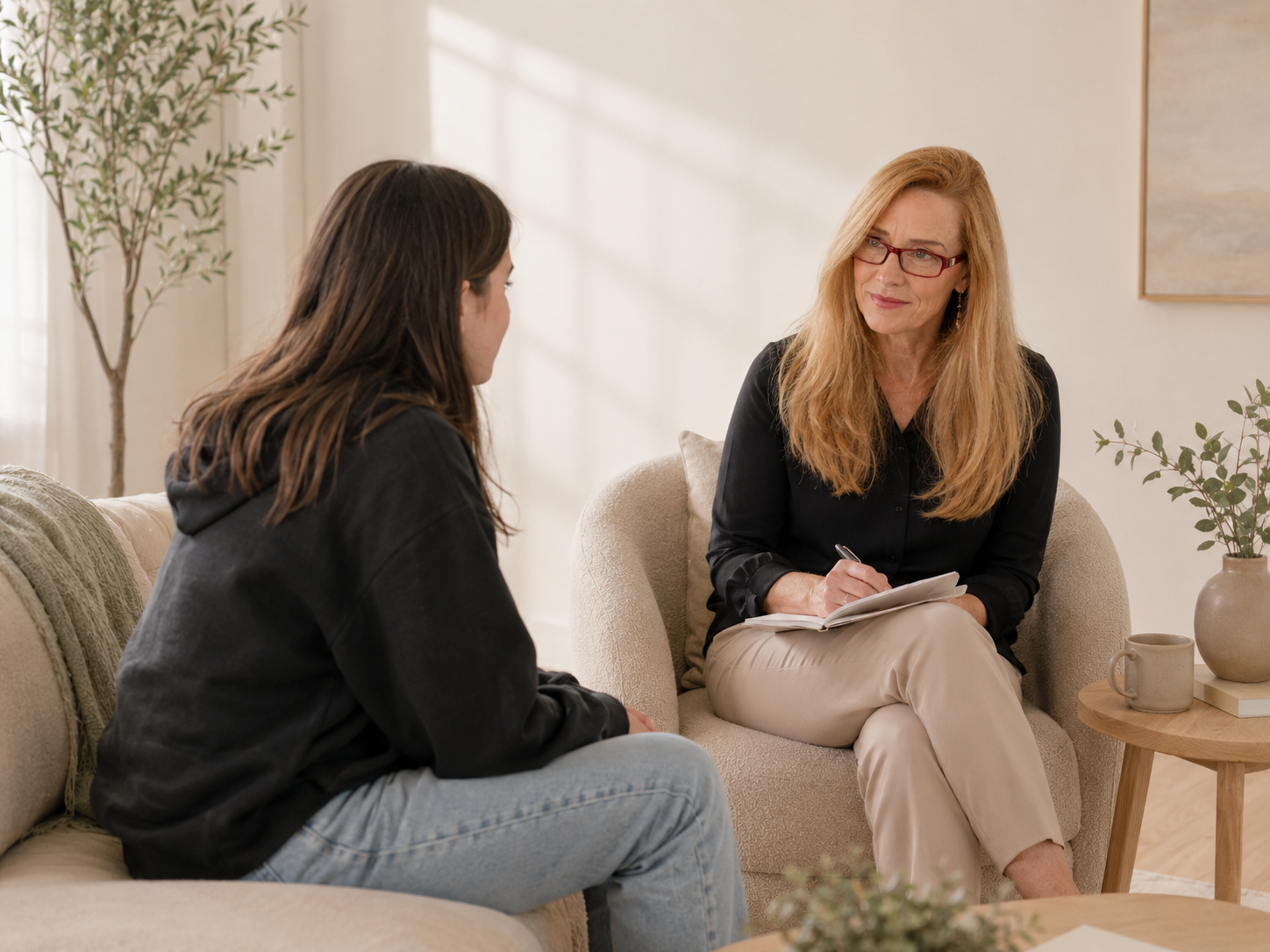
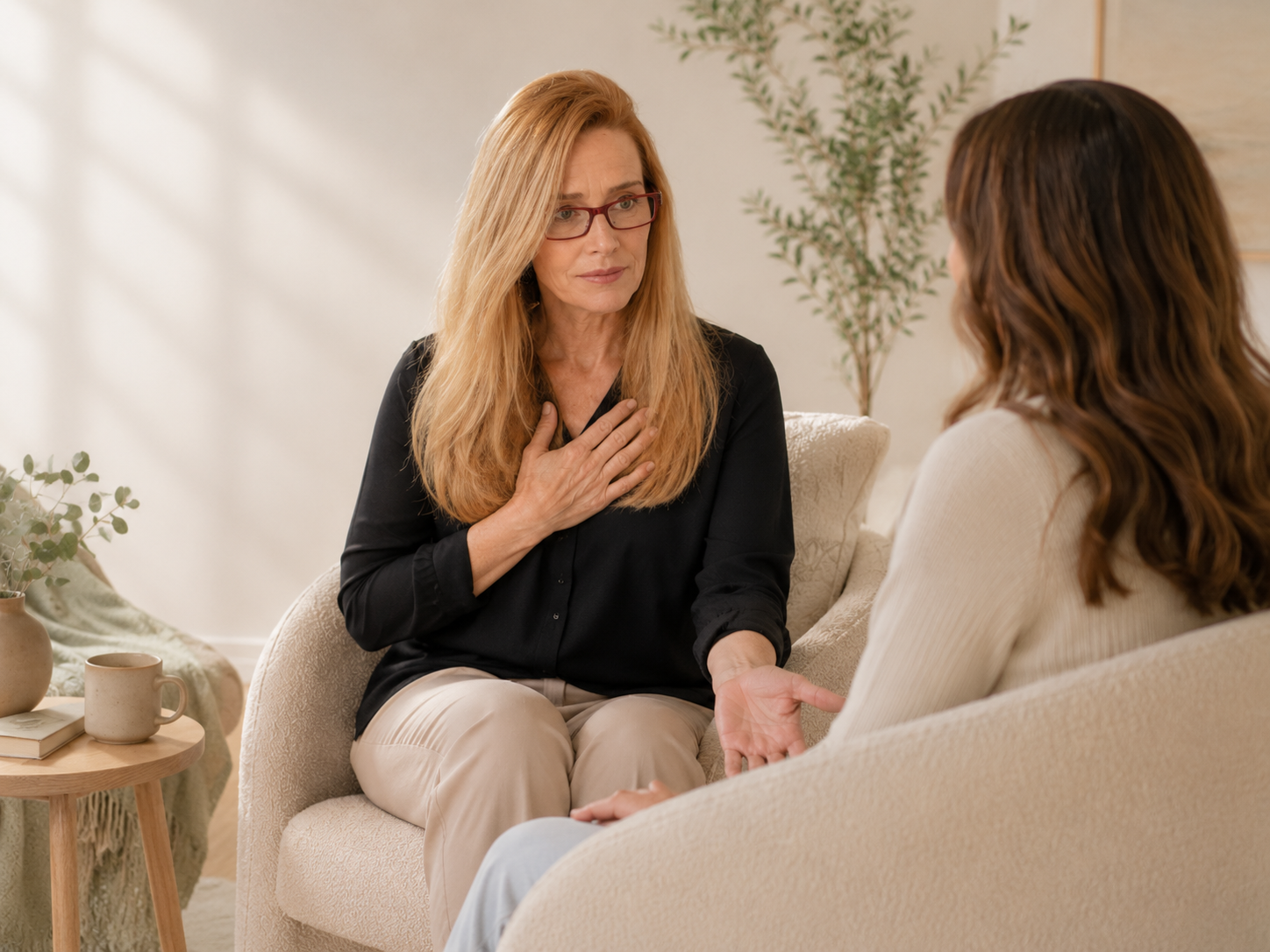
At Touchstone Trauma Therapy, we specialize in providing self-esteem counseling that focuses on empowering individuals to recognize their worth and improve their self-image. Our approach is holistic and trauma-informed, ensuring that we address the underlying issues contributing to low self-esteem. Here are some ways our counseling sessions can help:
Building a Strong Foundation
Self-esteem counseling is designed to help clients build a strong foundation of self-worth. Through various therapeutic techniques, we guide individuals in recognizing their strengths and accomplishments, shifting negative thought patterns into positive affirmations. For example, clients may keep a daily journal where they record three things they did well each day. This practice not only reinforces positive behavior but also encourages a mindset shift, allowing individuals to see themselves in a more favorable light.
We utilize cognitive-behavioral techniques to help clients challenge and reframe their negative beliefs. By identifying cognitive distortions—such as all-or-nothing thinking or overgeneralization—clients learn to replace these thoughts with more balanced perspectives. This process is essential in building a resilient self-image that withstands external challenges and internal doubts.
Improving Communication Skills
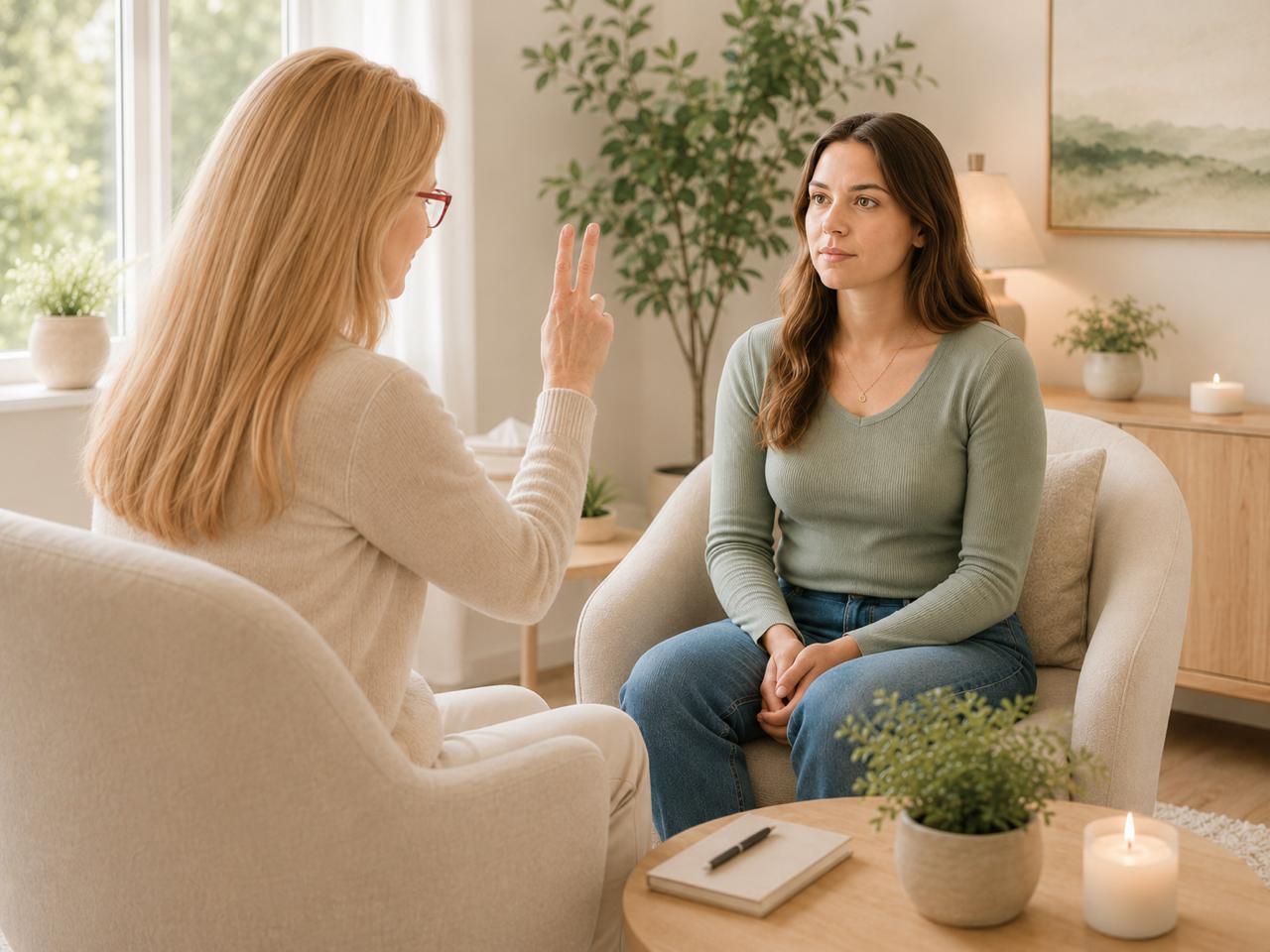
Effective communication is vital in any relationship. Our therapy sessions equip clients with the skills needed to express their thoughts and feelings openly. This fosters a healthier dialogue between partners, reducing misunderstandings and promoting emotional closeness. Clients practice active listening techniques, which involve fully concentrating, understanding, responding, and remembering what is being said. This not only enhances their ability to communicate but also helps them feel more valued in conversations.
We also focus on assertiveness training, teaching clients how to express their needs and opinions confidently and respectfully. For instance, role-playing scenarios allow clients to practice asserting themselves in various situations, such as setting boundaries with friends or discussing feelings with a partner. This skill is particularly important for individuals with low self-esteem, as they often struggle with being assertive and may fear conflict or rejection.
Enhancing Relationship Dynamics
Therapy helps individuals understand their relationship patterns and how low self-esteem affects their interactions. By identifying these patterns, clients can work towards healthier dynamics, whether it involves setting boundaries, asserting needs, or addressing insecurities constructively. We explore concepts such as attachment styles, which can reveal how past experiences shape current relationship behaviors.
For example, a person with an anxious attachment style may constantly seek validation from their partner, leading to dependency and potential conflict. Through counseling, we help clients recognize these tendencies and develop healthier coping mechanisms. This might include practicing self-soothing techniques or engaging in activities that boost their self-esteem outside of the relationship.
Understanding the role of low self-esteem in relationship dynamics allows clients to navigate their interactions with greater awareness. They learn to communicate their needs without fear, which can lead to more fulfilling and balanced partnerships.
Fostering Independence
Through counseling, clients learn the importance of self-reliance and self-validation. This independence can alleviate the pressure on relationships, allowing partners to support each other without losing their individual identities. We encourage clients to engage in activities that promote personal growth, such as pursuing hobbies, establishing friendships outside of their primary relationship, or setting personal goals.
For instance, a client may decide to join a local book club or take up painting classes. These activities not only enhance their sense of self but also provide opportunities for social interaction, which can further build self-esteem. in therapy, we celebrate these achievements, reinforcing the idea that they are capable of thriving independently.
Developing Healthy Coping Strategies
Low self-esteem often leads to unhealthy coping mechanisms, such as avoidance, substance abuse, or self-sabotage. Our counseling sessions focus on identifying these behaviors and developing healthier alternatives. We teach clients stress management techniques, such as mindfulness meditation, deep breathing exercises, and journaling, which can help them better navigate challenging emotions.
For example, a client struggling with feelings of inadequacy may turn to binge-watching television as a means of escape. Through therapy, they learn to recognize this behavior and replace it with more constructive activities, such as going for a walk or engaging in creative outlets. This shift not only helps reduce feelings of shame but also encourages self-care practices that bolster self-esteem.
Creating a Supportive Environment
Self-esteem counseling emphasizes the importance of surrounding oneself with a supportive network. We guide clients in identifying relationships that uplift them versus those that drain their energy or perpetuate negative self-beliefs. Encouraging clients to seek out positive influences—be it friends, family, or support groups—can significantly enhance their journey towards improved self-esteem.
In therapy, we might explore how to communicate these needs to loved ones, fostering an environment where support is mutual and constructive. Clients are encouraged to engage with those who celebrate their successes and provide encouragement during challenging times.
Through self-esteem counseling at Touchstone Trauma Therapy, individuals can embark on a transformative journey toward self-discovery and empowerment. By addressing the root causes of low self-esteem and equipping clients with the tools they need for personal growth, we help pave the way for healthier, more fulfilling relationships—both with themselves and others.
Realizing the Importance of Body Image
Body image plays a significant role in self-esteem. Negative perceptions of one’s body can lead to a cycle of low self-worth, affecting relationships. Our body image therapy sessions aim to reshape how clients view themselves, fostering a more positive self-image that translates into healthier relationships.
Understanding body image is crucial to addressing low self-esteem. Body image refers to how we perceive our physical appearance and how we feel about that perception. This perception is often influenced by societal standards, media portrayals, and personal experiences. When individuals struggle with their body image, they are more likely to experience feelings of inadequacy and self-doubt, which can significantly impact their interactions with others.
To illustrate, consider how a negative body image can manifest in social situations. Someone who feels uncomfortable in their skin may avoid social gatherings, fearing judgment or ridicule. This avoidance can lead to isolation, preventing meaningful connections with others. Conversely, an individual with a positive body image is more likely to engage openly and confidently, fostering stronger relationships.
One of the first steps in addressing body image issues is to identify and challenge negative thoughts. Here are some practical strategies to help with this process:
- Keep a Journal: Document negative thoughts about your body and reflect on their origins. Ask yourself if these thoughts are based on facts or societal pressures.
- Practice Self-Compassion: Treat yourself with kindness and understanding. Recognize that everyone has flaws and that perfection is an unrealistic standard.
- Seek Positive Influences: Surround yourself with people and media that promote body positivity. Follow social media accounts that celebrate diversity in body shapes and sizes.
- Affirmations: Use positive affirmations to counteract negative self-talk. Repeat phrases like, "I am worthy and beautiful just as I am" to reinforce a positive self-image.
In therapy, we often explore the concept of the "ideal body" and how it varies across cultures and time periods. The ideal body is not a one-size-fits-all model; it changes based on societal trends and personal preferences. By understanding that there is no single definition of beauty, clients can begin to appreciate their unique attributes and develop a more balanced perspective on their appearance.
It is essential to address the role of social media in shaping body image. Platforms like Instagram and TikTok can perpetuate unrealistic beauty standards, leading to feelings of inadequacy. Engaging with content that promotes body diversity and authenticity can mitigate these negative effects. Encourage yourself to take breaks from social media when necessary, focusing instead on real-life interactions and experiences that uplift you.
Participating in activities that promote physical health and well-being can also have a profound impact on body image. Exercise, for example, is not just about weight loss; it's about feeling strong and empowered. Finding a physical activity you enjoy—whether it’s dancing, hiking, or yoga—can improve your mental health and body image. When you engage in movement that feels good, it shifts the focus from appearance to capability, enhancing self-love and acceptance.
Nutrition plays a vital role in how we feel about our bodies. Instead of following restrictive diets that can lead to a negative relationship with food, focus on nourishing your body with wholesome foods that make you feel energized and satisfied. This shift in mindset can help cultivate a healthy body image rooted in self-care rather than self-criticism.
Support from friends and family is another critical component in improving body image. Open dialogues about body positivity can foster understanding and empathy. When you share your feelings with loved ones, you may find that they have similar struggles, which can create a supportive environment for healing. Encourage those close to you to engage in positive conversations about body image, countering negative remarks and emphasizing acceptance.
It's also valuable to recognize that low self-esteem and body image issues may stem from deeper psychological factors. Past traumas, bullying, or critical comments from peers can leave lasting scars, leading to a distorted self-image. in our therapy sessions, we delve into these experiences to help clients understand their roots and work towards healing. This process often involves cognitive restructuring, where we help clients reframe their negative beliefs about themselves.
Celebrating small victories is essential in the journey towards a healthier body image. Set realistic goals for yourself, whether it's wearing an outfit you love, trying a new hairstyle, or stepping out of your comfort zone. Acknowledge your achievements, no matter how minor they might seem, as each step forward contributes to a more positive self-perception.
Realizing the importance of body image is a pivotal element in addressing low self-esteem. By understanding the complexities of body image, challenging negative thoughts, and fostering a supportive environment, individuals can cultivate a healthier self-image that enhances their relationships. Remember, the journey to self-acceptance takes time, and seeking professional help can provide the necessary tools and guidance along the way. With the right support, anyone can learn to embrace their unique beauty and build fulfilling connections with others.
Conclusion
Low self-esteem can severely impact relationships, leading to a host of challenges that affect not only individuals but also their partners. At Touchstone Trauma Therapy, we believe that through dedicated self-esteem counseling, individuals can learn to overcome these challenges, leading to more fulfilling and healthy relationships.
If you or someone you know is struggling with low self-esteem and its effects on relationships, we invite you to reach out to us. Together, we can work towards a brighter, more confident future. Schedule a session at Touchstone Trauma Therapy today to begin your journey towards healing and empowerment.