

Skip to content
First sunlight breaking over a quiet canyon

Trauma and PTSD

Therapy for any type of trauma, from single incident trauma to complex PTSD.

Request an Appointment
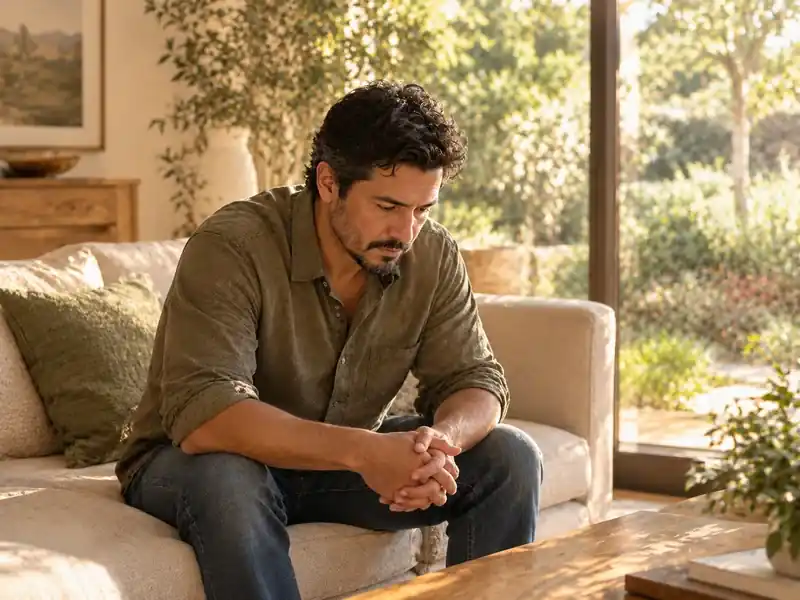

A man in a green shirt sitting forward on a sofa with his hands clasped

Any Type of Trauma

I specialize in helping people process any type of trauma, whether it was one event or something that went on for years.

You may have come here because of something specific that happened. You may also have come because of what you live with now: persistent anxiety, depression, or distress related to past experiences, without a clear idea of why it won't let up.

Oftentimes the current challenges in my clients' lives are connected to unresolved trauma. Finding that connection is often where we begin.

A woman in a gray cardigan sitting with her hands folded in a bright room

What We Pay Attention To

  • What happened

    Talking about past trauma can be very emotional, overwhelming and/or scary. It is important that clients understand they are always in control. Clients can talk about the specifics of what they have been through, but it is not necessary for successful processing of trauma that all the details be discussed. Some clients feel they need or want to, while others don't. We always move at a pace that works for the client. It is an essential part of trauma work.

  • What trauma left behind

    Anxiety, low mood, poor sleep, and difficulty in relationships are all places trauma can show up.

  • How you learned to protect yourself from the pain

    Many habits that feel hard to change today started as ways to cope with what you went through in the past.

  • What you want instead

    Clients want to feel comfortable in their own bodies. They want to feel like their bodies are their home. This is a big part of trauma work. To return back to the body, back home. To feel secure within. To feel safe. Clients also want to be able to trust their gut feelings and their intuition instead of doubting themselves much of the time. These are key goals in trauma work.

Two garden paths joining beneath olive trees

How Trauma Processing Fits In

  1. History and goals first

    Our early sessions are for your history, your goals, and deciding on an approach together.

  2. Choosing the tools

    I draw on EMDR, Internal Family Systems, somatic work and mindfulness, depending on what suits you and what we are working on.

  3. Processing

    We can explore how trauma-focused work may help with long-standing difficulties. My specific trauma-informed training and experience assists in knowing the right approach to unlock blocks and aid in healing.

  4. Self care between sessions

    An important part of therapy is the self care and other homework that is strongly encouraged as part of the work. It is an integral part of the therapeutic process.

A lone oak on a golden hillside

Goals We Can Set

Common goals include these.

  • Less stress and anxiety
  • Improved sleep
  • Improved mood
  • Improved relationships

Rates and Insurance in Brief

  • A free 15 minute consultation to start.
  • 50 minute individual sessions, in person in Montrose or by video in California.
  • Please contact me for current rates.
  • I accept UnitedHealthcare, Optum, Anthem, Blue Cross Blue Shield and Kaiser Permanente, and I can provide a superbill if you have insurance that I do not take.
Rates and insurance details
Separate wooden doors opening onto a shared courtyard garden

Questions People Ask

Do I have to talk about all of it right away?

No. The first session is an intake where I gather your history, and we decide together how to approach the rest.

How do I know if I need trauma therapy?

If you have had persistent feelings of anxiety, depression or low self-esteem, or if you have struggled with feeling consistently disappointed in your romantic relationships, trauma therapy may help. A free 15 minute consultation is a good place to start the discussion.

Which approach would we use?

It depends on you. I am certified in EMDR and trained in Internal Family Systems, and I also use somatic and mindfulness approaches.

Do you treat Complex PTSD too?

Yes. There is a separate page about it, because long-term trauma raises different questions.

Ask Your Questions First

The first step is a free 15 minute consultation, with no commitment to anything beyond it.

Request an Appointment Or call 626-824-8572