
Skip to content
A sturdy wooden handrail beside broad stone garden steps

Preparation belongs in trauma therapy

Understanding your concerns and discussing the approach comes before assuming what the work should involve.

Request an Appointment
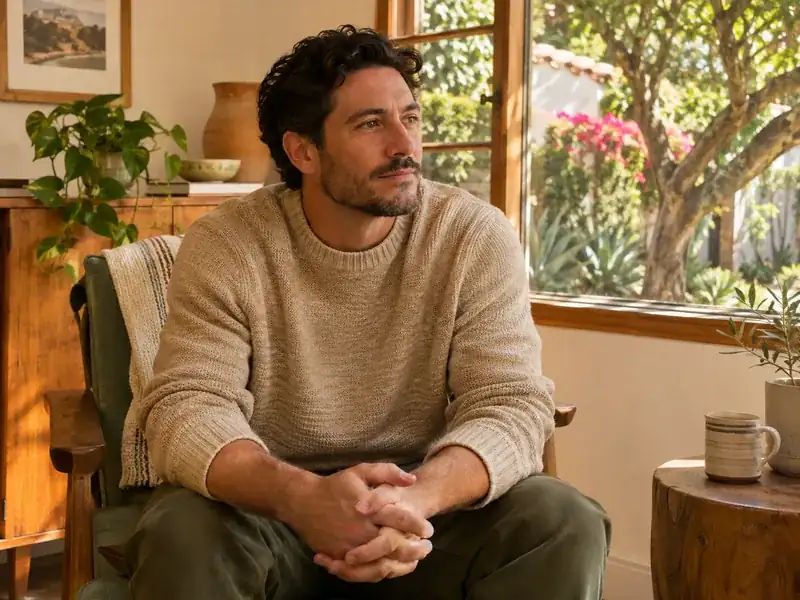

A man in an oatmeal sweater sitting with his hands clasped, looking to the side

There is more than one question to answer

You may be interested in trauma therapy because an experience still affects you, or because current difficulties seem connected to your history. Before we choose how to work, we need a clearer picture of what you are experiencing and what you are looking for.

That includes the practical question of whether this practice is a fit. A free consultation offers a first conversation, followed by paperwork and an intake if we move forward.

A still garden pond with reeds in soft morning light

Use the early sessions to build context

The first session is an intake. Over the first few sessions, we talk about your history, your goals, and the approach we will take together, and you can describe current concerns as well as earlier experiences that seem relevant.

You do not need to present everything in chronological order. It is helpful to mention what feels difficult about discussing your history and what you want to know before we proceed.

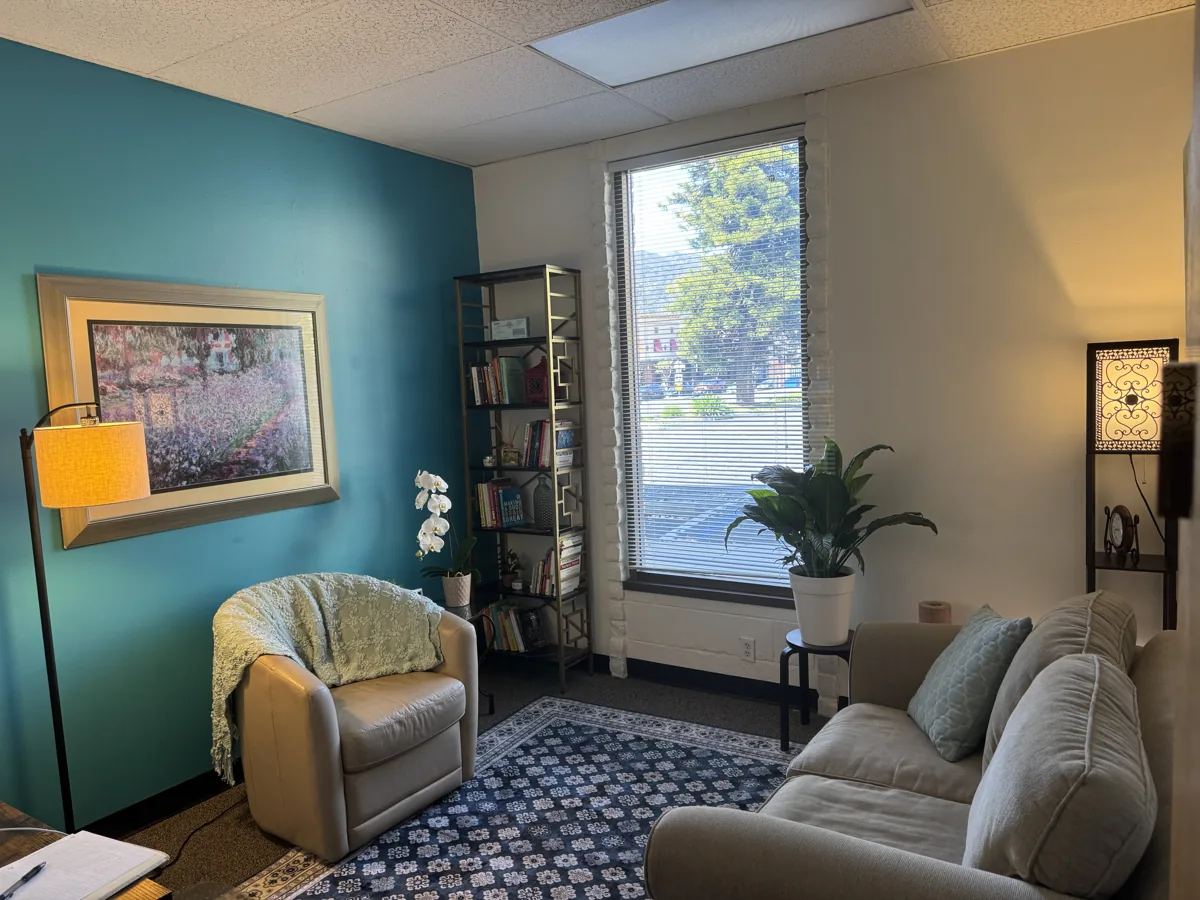
Kristin Cantella’s office with two armchairs, a window and a teal accent wall

Ask how an approach would be used

My practice includes EMDR, Internal Family Systems, somatic and mindfulness-based approaches. Together, we can discuss how each approach might relate to your concerns and what taking part would involve.

You can also tell me what helped or felt uncomfortable in previous therapy. If an exercise sounds unfamiliar, ask to hear what it involves before deciding whether to try it. Your questions can help shape the pace and direction of our conversation.


A woman with short blonde hair sitting on a cream sofa, gazing out toward a garden

Discuss pace and participation

A plan should leave room for you to say when you are confused, hesitant, or unsure how to describe what is happening. You can also ask how to let me know that you need to pause or revisit something.

Preparation depends on your history, your current circumstances, and the approach we are considering. Feel free to ask how we will decide what to focus on first and how we will talk about your readiness as the work develops.

Separate wooden doors opening onto a shared courtyard garden

Consider the session setting too

I offer 50-minute sessions in Montrose and individual video sessions across California. When considering the work, privacy, your ability to participate, and whether the setting is appropriate are all helpful topics to discuss.

Request a consultation if you want to ask about trauma-focused therapy. Rather than a detailed account of an event, you can begin with the kind of support you are looking for. Current rates and questions about your specific insurance can be discussed before arranging an appointment.

Golden light filtering through a bamboo garden

Questions People Ask

Will the first session involve processing a traumatic memory?

The first session is an intake. We discuss your history, goals and the approach rather than assuming a particular processing task in advance.

Can I ask for more explanation before trying a method?

Yes. Questions about what an approach involves and why it is being considered belong in the work.

Ask About the Work Before Beginning

Request a free 15-minute consultation to discuss whether this work fits what you need.

Request an Appointment Or call 626-824-8572