



Skip to content
A stream winding through a sunlit garden

EMDR Therapy

Trauma processing with a therapist certified in EMDR.

Request an Appointment
Two garden paths joining beneath olive trees

What EMDR Is

EMDR stands for Eye Movement Desensitization and Reprocessing. It is a structured approach that works with the images, thoughts, emotions and body sensations connected to a traumatic experience.

It focuses on the emotional disturbance and symptoms that came out of the trauma, using the brain's natural way of processing information called Adaptive Information Processing. The aim is to process troubling memories and reduce their negative impact.

EMDR helps to desensitize traumatic memories, reprocess negative beliefs about one's self associated with the trauma, calm physiological distress and accelerate natural healing.

I decided to get my certification in EMDR because I wanted to be able to help my clients get to the root of what was causing their suffering.

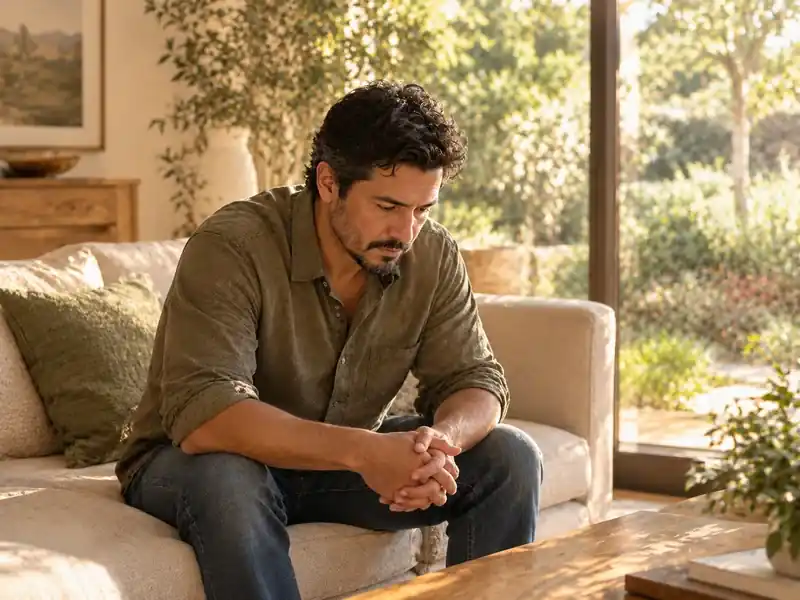
A man in a green shirt sitting forward on a sofa with his hands clasped

What I Use It For

  • Trauma and PTSD

    From a single incident to Complex PTSD.

  • Childhood trauma and neglect

    The experiences that still shape your relationships and your sense of yourself.

  • Anxiety and grief

    When a current struggle connects back to an earlier experience.

A cottage porch and path leading toward a sunlit garden

How EMDR Fits Into Therapy

  1. We do not start there

    We begin with your history, your goals and a decision about the approach we will take.

  2. We prepare

    We make sure you have what you need to do this work. An important first step with EMDR is the Preparation Phase. I teach clients important Resourcing Skills which help clients to take care of themselves when the processing gets intense or hard. It also provides clients assurance and confidence that they have effective tools to use to help calm their nervous system and take breaks from processing as needed. This is a process we will walk through together.

  3. We process

    When the client feels ready, we can begin to utilize EMDR on the traumatic memories we have chosen to process. Through every step of the journey, I explain each step and provide education about what we will be doing and why, before we move forward. Clients are encouraged to ask any questions at any time.
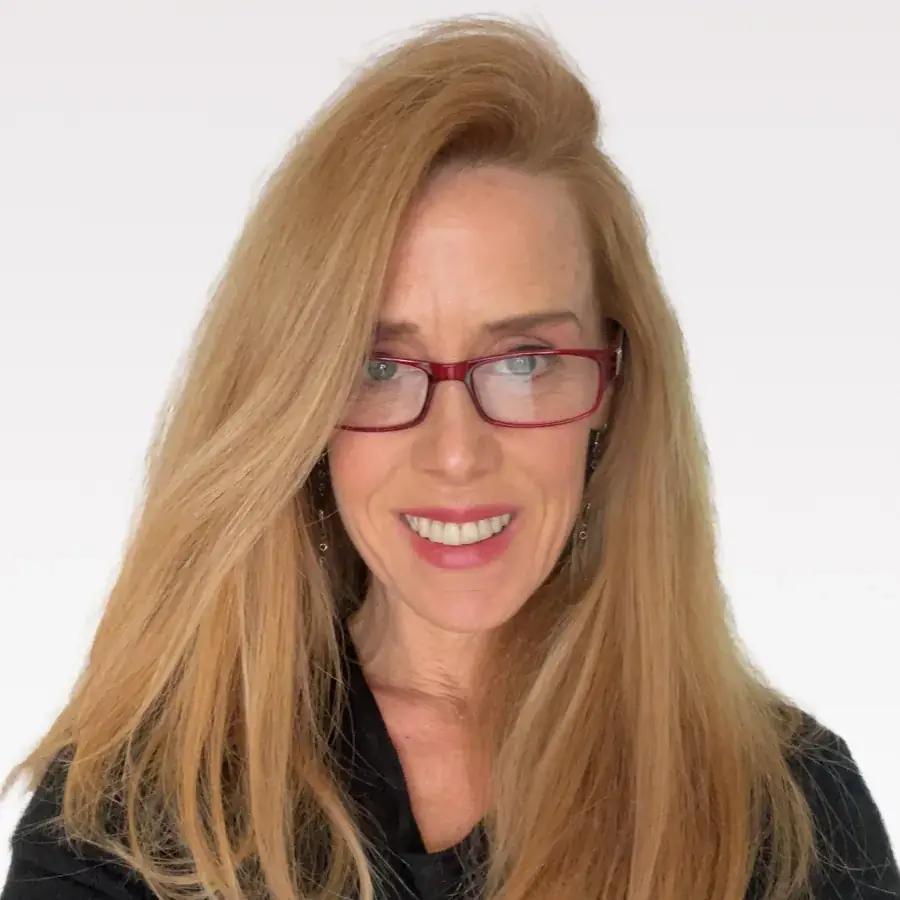

Kristin Cantella, smiling, wearing red glasses

My EMDR Training

I completed the EMDR Certification Program through Evergreen with Megan Boardman, LCSW, and Arielle Schwartz, Ph.D., in 2023 and 2024. Before that I took an earlier EMDR course with Megan Boardman, LCSW, in 2022.

EMDR is one of several tools I use. I often combine it with Internal Family Systems, somatic work and mindfulness.

More about me
First sunlight breaking over a quiet canyon

Common Goals

Results vary. Common goals include these.

  • Less stress and anxiety
  • Improved sleep
  • Improved mood
  • Improved relationships
  • Improved self-esteem

Rates and Insurance in Brief

  • A free 15 minute consultation to start.
  • 50 minute sessions at my office in Montrose. Please ask me about video.
  • Please contact me for current rates.
  • I accept UnitedHealthcare, Optum, Anthem, Blue Cross Blue Shield and Kaiser Permanente, and I can provide a superbill if you have insurance that I do not take.
Rates and insurance details
Separate wooden doors opening onto a shared courtyard garden

Questions People Ask

How is EMDR different from talk therapy?

Talk therapy centers on talking through what happened. EMDR uses a structured process that targets the emotions and symptoms connected to the memory.

Will I have to describe everything that happened?

We talk through this before we begin, and you have a say in what we work on.

Is EMDR right for me?

That is what we figure out together. It is one option among several, and a free 15 minute consultation is a good place to ask.

Curious Whether EMDR Fits?

Ask me during a free 15 minute consultation.

Request an Appointment Or call 626-824-8572