
Skip to content
An adult viewed from behind looking through a home window toward trees

Bring your questions about EMDR

The name of a therapy is only the beginning of a conversation about fit, preparation and expectations.

Request an Appointment


A woman in a rust sweater seated in an armchair beside a bookshelf, looking toward the window

Ask why EMDR is being considered

You may have heard about EMDR from a friend, another provider, or something you read. That can be a good reason to ask about it, although it does not tell us whether it is appropriate for your concerns.

A helpful question is how the approach relates to what you want help with. I am certified in EMDR, and together we can discuss its place within the broader trauma-focused work of the practice.

A wooden bench overlooking a quiet valley

Ask what happens before the work

The first session is an intake, and over the first few sessions we discuss your history, goals, and our approach. You can ask what preparation means in your circumstances and how we would talk through the steps together.

It is also helpful to mention previous therapy and any concerns about discussing difficult experiences. That information makes our conversation about fit more specific.

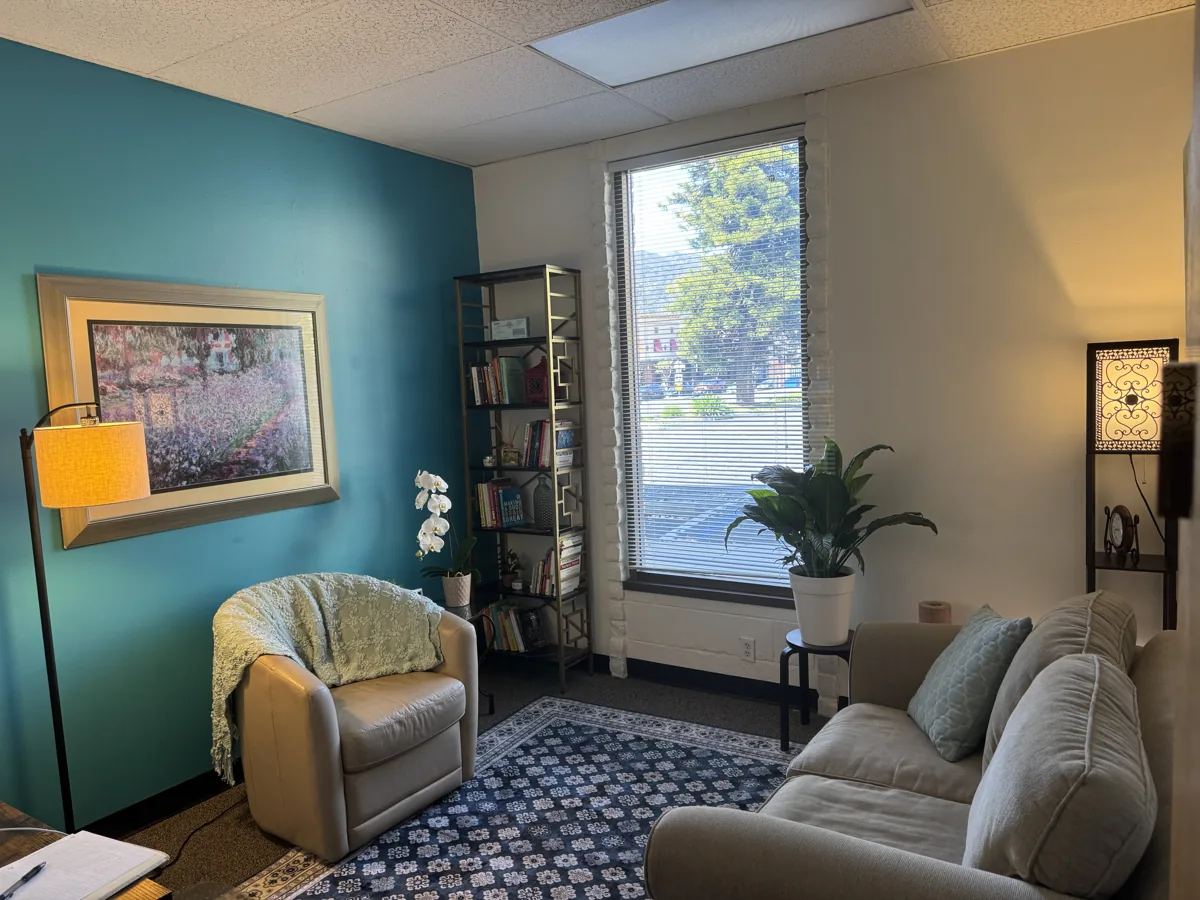
Kristin Cantella’s office with two armchairs, a window and a teal accent wall

Ask how you can participate

You can ask what you will be invited to do, how you can communicate uncertainty, and how we will talk about your response to the work. Understanding your role matters more than memorizing terminology.

If a description feels too abstract, ask me to explain it in plain language. You do not have to pretend to understand a method in order to be considered ready to discuss it.


A woman sitting on a cream sofa with her chin resting on her hand, listening

Ask about expectations and alternatives

Questions about possible benefits, limitations, and other approaches deserve a direct conversation. No method comes with a guaranteed result or a set number of sessions that applies to everyone.

My practice also includes Internal Family Systems, somatic and mindfulness-based approaches. Rather than asking which name sounds most promising on its own, the relevant question is how we understand your concerns and choose the work together.

A lone oak on a golden hillside

Ask about the practical arrangements

Sessions are 50 minutes. I see clients in Montrose and offer individual video sessions for clients in California. Before arranging an appointment, you can ask about whether the setting suits you, current rates, and your specific insurance.

A free 15-minute consultation gives you a first place to ask about fit. It will not answer every clinical question, but it can help clarify whether to move forward with paperwork and an intake. Bring the question that matters most to you.

Golden light filtering through a bamboo garden

Questions People Ask

Do I need to know exactly how EMDR works first?

No. You can ask for an explanation and discuss what you have heard. Learning about an approach is part of considering it.

Can a consultation determine my treatment plan?

A brief consultation is an initial fit conversation. A plan requires the fuller context discussed in the clinical work.

Ask the Question You Have Been Holding

Request a free 15-minute consultation to discuss whether this work fits what you need.

Request an Appointment Or call 626-824-8572