
Skip to content
Soft ripples on a quiet pond beneath willow trees

A memory can feel unexpectedly close

Describing how a difficult memory affects you can be more useful than finding the perfect term for it.

Request an Appointment


A woman in a sage cardigan writing in a notebook on a shaded garden patio

Tell me what the experience is like

You may think about an event and feel sad while staying aware of the room around you. Another time, a sound or situation may make the same memory feel much more immediate, and that difference can be hard to put into words.

Rather than deciding on a label first, you can simply describe what you noticed: images, thoughts, sensations, confusion about the moment, or difficulty bringing your attention back to what you were doing.

An open wooden gate leading toward a garden and golden hills

Words are a starting point

Remembering and reliving are everyday terms that people use in different ways. Together, we can discuss which terms, if any, help describe your experience, since your history, the circumstances, and the effect on daily life all matter.

In a first conversation, it is okay to say that the memory felt closer than usual, or that you lost track of part of a conversation. I can ask questions to understand what you mean.

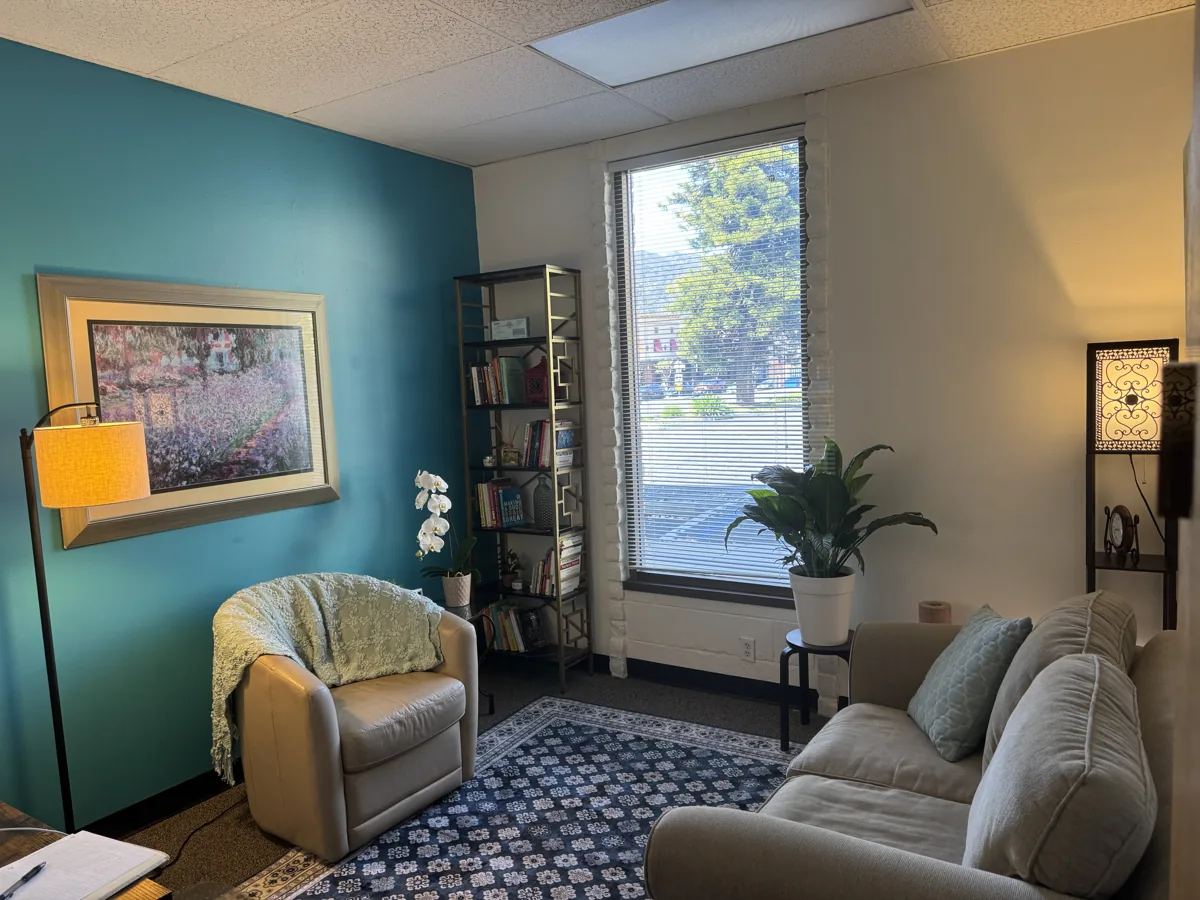
Kristin Cantella’s office with two armchairs, a window and a teal accent wall

Look at what surrounded the moment

Was there a reminder of the event? Were you with someone, at work, or trying to sleep? What happened afterward? Details like these can help us understand the pattern without requiring you to tell the entire story at once.

You can also describe what makes discussing the experience difficult. Concerns about becoming overwhelmed, not being believed, or not remembering clearly all deserve attention as we plan the work.


A woman in a cream sweater sitting in a wooden armchair, holding a mug and looking toward a sunny window

Discuss preparation before processing

My practice includes trauma-focused approaches such as EMDR, Internal Family Systems and somatic work. Rather than matching yourself to a paragraph online, we choose an approach through conversation about your concerns, history, and goals.

We can talk about preparation, pacing, and how you will communicate during sessions. You are welcome to ask what a method involves and raise any concerns before we decide how to proceed.

Two garden paths joining beneath olive trees

Ask about fit in a consultation

A free 15-minute consultation gives us a place to discuss whether my practice may fit what you are looking for. It is not a full assessment, and it does not require you to recount a difficult event in detail.

I offer in-person sessions in Montrose and individual video sessions for clients in California. If we move forward, paperwork comes before the first appointment, and the first sessions include your history and a conversation about goals.

Golden light filtering through a bamboo garden

Questions People Ask

Do vivid memories prove PTSD?

No. A diagnosis cannot be established from vividness alone or from reading this guide.

Do I have to share every detail during the consultation?

No. You can begin with the kind of support you are seeking and questions about how I work.

Ask About a Pace You Can Participate In

Request a free 15-minute consultation to discuss whether this work fits what you need.

Request an Appointment Or call 626-824-8572