

Skip to content
Two adults walking away along a leafy neighborhood sidewalk

A new relationship has its own story

Earlier experiences may shape expectations, while the person in front of you still deserves a careful look.

Request an Appointment
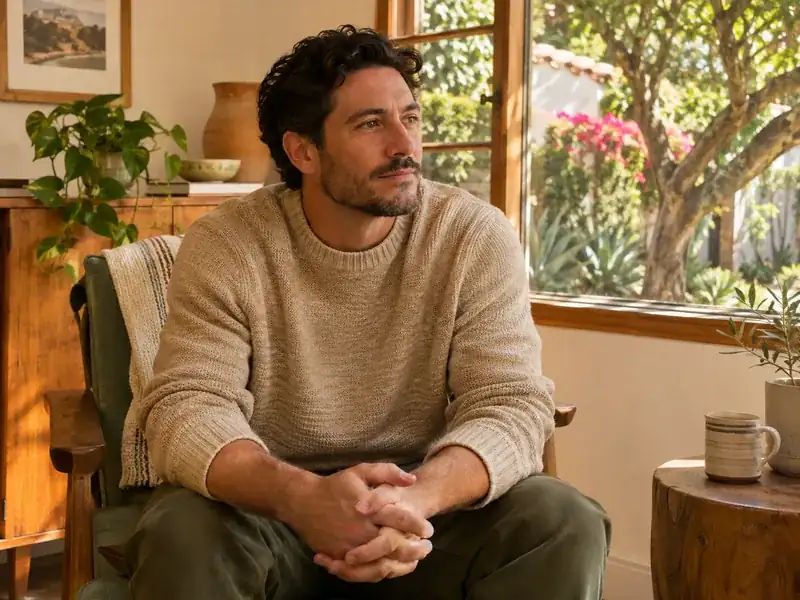

A man in an oatmeal sweater sitting with his hands clasped, looking to the side

Notice the prediction you are making

A delayed reply may lead you to expect withdrawal, and a disagreement may feel like the beginning of an ending. You might recognize the prediction before you know whether the current situation supports it.

The feeling is real, and the prediction is something we can examine together. We do not need to dismiss your reaction, nor treat it as proof of what the other person will do.

A still garden pond with reeds in soft morning light

Look at the current evidence

How has this person responded when you have raised a concern? What have they said about the situation? Are their actions consistent, or is there a pattern you are already noticing?

These questions keep the present relationship in view. Exploring your history should never become a reason to explain away behavior that matters to you now.

Kristin Cantella’s office with two armchairs, a window and a teal accent wall

Consider the earlier expectation

An old experience may have taught you to prepare for criticism, absence, or disappointment, and you may recognize that expectation in the way you interpret a new interaction.

My trauma-focused practice explores these connections through your history and goals. We do not assume a connection simply because a reaction is strong. Instead, we can hold more than one possible explanation while learning about the situation.


A woman with short blonde hair sitting on a cream sofa, gazing out toward a garden

Make the conversation more specific

Often, it is easier to talk about one recent moment than a broad fear that relationships never work. What happened, what did you expect, and what did you want to say? What response did you actually receive?

Together, we can look at the difference between asking a current question and seeking certainty about every possible future outcome. That distinction can help clarify what you want from the relationship and from our work.

Separate wooden doors opening onto a shared courtyard garden

Choose an appropriate setting for the question

Individual therapy offers room to explore your experience across relationships, while couples therapy brings both partners into a discussion of their shared interaction. We can talk about which setting fits the concern you are bringing.

I offer individual sessions in Montrose and by video across California. A free consultation is available to discuss fit, and current rates and appointment arrangements can be clarified before paperwork and a first session. You do not need to know exactly where the past ends and the present begins before asking.

Golden light filtering through a bamboo garden

Questions People Ask

Should I ignore concerns if they resemble an old fear?

No. A familiar feeling does not automatically make a present concern inaccurate. The current circumstances still need attention.

Can I work on this without my partner attending?

Individual therapy can focus on your experience and responses. Questions about couples work can be discussed separately.

Look at This Relationship in Its Own Context

Request a free 15-minute consultation to discuss whether this work fits what you need.

Request an Appointment Or call 626-824-8572