
Skip to content
Two pale garden paths meeting beneath a flowering arbor

Closeness can bring mixed feelings

Wanting connection and feeling an urge to pull away can exist in the same relationship.

Request an Appointment


A woman with short blonde hair sitting on a cream sofa, gazing out toward a garden

Describe the moment the distance begins

You may enjoy spending time together until a plan becomes more definite or a conversation becomes more personal, and then feel an urge to cancel, get busy, or find a reason the relationship cannot work. Other times, distance may leave you wanting more contact.

This push and pull can be confusing. Instead of assigning an attachment label or assuming that closeness itself is the problem, we can begin by describing the change.

Separate wooden doors opening onto a shared courtyard garden

Ask what each response is trying to do

Wanting connection may reflect something important you value. Wanting distance may reflect a need for space, uncertainty about the relationship, or a concern that deserves attention, so neither response should be dismissed before we understand it.

What changed just before you pulled back? What did you expect would happen if you stayed engaged? These details can help us tell a preference apart from a fear or an unresolved concern.

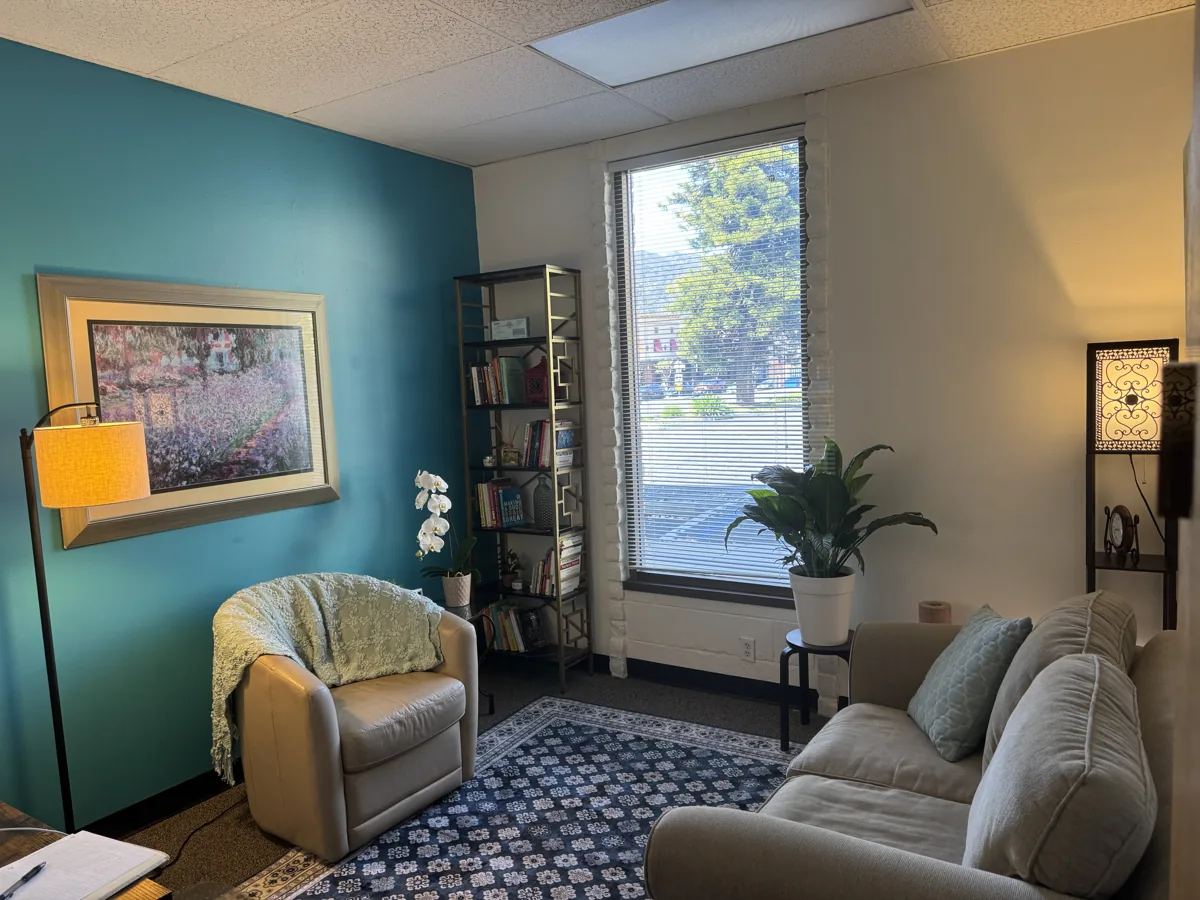
Kristin Cantella’s office with two armchairs, a window and a teal accent wall

Keep the present relationship in view

A current partner's behavior matters. You may be responding to inconsistency, pressure, or a mismatch in what you each want. At the same time, earlier experiences may shape your expectations about being close to someone.

My trauma-focused practice explores those connections carefully. Looking at your history should not mean ignoring present-day information or assuming that every hesitation comes from the past.


A man in an oatmeal sweater sitting with his hands clasped, looking to the side

Make room for competing wishes

You might want companionship and privacy, reassurance and independence, or commitment and time to decide. Often, it is easier to describe these wishes separately than to force yourself into one immediate answer.

In therapy, we can explore how you communicate those needs and what makes that difficult. The goal is not to persuade you to stay in a particular relationship. Rather, it is to understand your experience and your choices.

A still garden pond with reeds in soft morning light

Begin with a recent change in feeling

Bring the invitation you wanted to accept and then avoided, or the conversation after which you suddenly felt distant. A concrete example gives us something to look at together.

Individual therapy is available in Montrose and by video for clients located in California. I offer 50-minute sessions and a free 15-minute consultation, where you can ask about my approach, fit, and the steps toward a first appointment.

Golden light filtering through a bamboo garden

Questions People Ask

Does this mean I have an attachment disorder?

No. A pattern described online cannot establish a diagnosis or explain your individual situation. However, attachment styles can be discussed in our work together to aid in understanding yourself and your patterns better.

Can we discuss whether the relationship fits me?

Yes. Your current concerns, preferences and observations can be part of the work alongside any relevant earlier experiences.

Understand Both Sides of the Pull

Request a free 15-minute consultation to discuss whether this work fits what you need.

Request an Appointment Or call 626-824-8572