
Skip to content
An empty armchair beside an open doorway looks out onto a garden.

The work ends. The pressure stays.

Rest can be difficult when stopping brings up guilt, worry or an unfamiliar sense of space.

Request an Appointment


A woman sitting on a cream sofa with her chin resting on her hand, listening

What happens when the list is finished

A free afternoon arrives, and you find another chore. You sit down, then start thinking about what you should be doing. Often, rest seems appealing in theory yet uncomfortable once there is finally time for it.

We can look at what fills the space when activity stops. Is it worry about falling behind, a harsh judgment about being lazy, or something harder to describe? The answer matters more than a general instruction to relax.

A lone oak on a golden hillside

Separate practical pressure from an internal rule

Sometimes there really is more work than time, and caregiving, employment, and other responsibilities can limit the choices available. Those constraints deserve acknowledgment rather than a simple suggestion to take a break.

There may also be a rule that you must earn every quiet moment, or stay useful in order to feel okay. Together, we can separate the demands of your circumstances from standards that keep running even when no task is urgent.

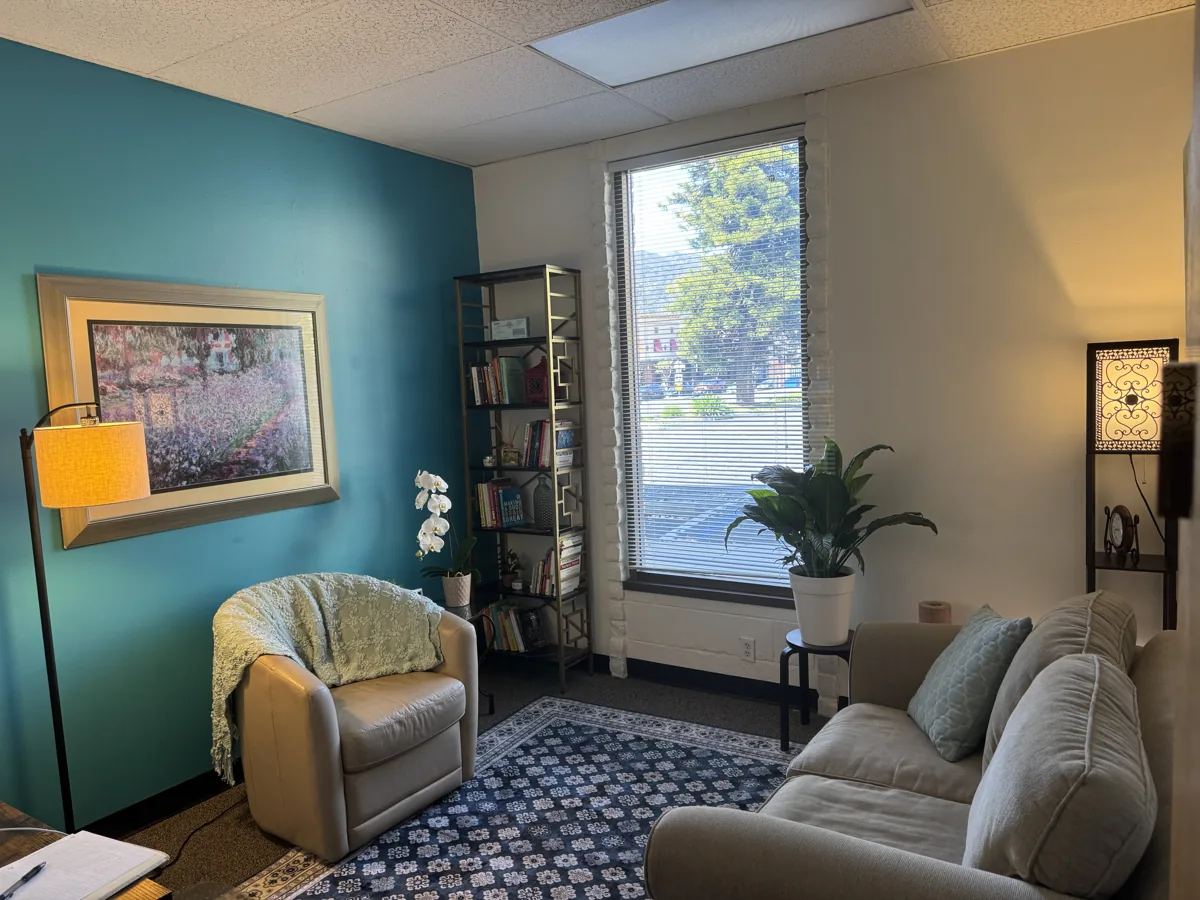
Kristin Cantella’s office with two armchairs, a window and a teal accent wall

Consider what busyness makes possible

Activity can provide structure, satisfaction, or a way to avoid an uncomfortable conversation with yourself, and the same routine may do different things on different days. We do not need to decide that staying busy is either entirely helpful or entirely harmful.

My trauma-focused work makes room to explore whether earlier experiences shaped your relationship with rest, while also paying attention to what your current schedule and relationships ask of you.


A woman in a rust sweater seated in an armchair beside a bookshelf, looking toward the window

Find a question smaller than relaxation

Instead of asking whether you can relax, we might look at the five minutes after you close your laptop. What thought shows up first? What do you do next? Whose expectations seem present in the room?

This kind of detail can help us identify what needs attention, whether that is a practical boundary, a belief about worth, or a feeling you have not had much room to notice.

A wooden bench overlooking a quiet valley

Bring the discomfort into the work

You do not need to arrive with a successful self-care routine. If an assignment or suggestion does not fit your life, that feedback is useful, because between-session work should be something we can discuss honestly.

I offer 50-minute sessions in Montrose and individual video sessions across California. A free 15-minute consultation gives you a chance to ask how we might approach this concern before arranging a first appointment.

Golden light filtering through a bamboo garden

Questions People Ask

Does this mean I should stop being productive?

No. We can explore the pressure around productivity while respecting what is meaningful and necessary in your life.

What if I simply do not have time to rest?

The limits of your schedule are part of the context. Therapy should not turn a lack of time into another reason to criticize yourself.

Make Room to Understand the Pressure

Request a free 15-minute consultation to discuss whether this work fits what you need.

Request an Appointment Or call 626-824-8572