
Skip to content
An open wooden gate leads through a cream courtyard wall beneath white jasmine flowers.

The outside did not tell everything

A childhood can look comfortable from a distance while leaving important experiences hard to name.

Request an Appointment


A woman sitting on a cream sofa with her chin resting on her hand, listening

Start with what you remember

There may have been meals on the table, school activities and adults who worked hard. You may also remember being alone often with sadness, keeping feelings to yourself or knowing that if you went to parents for support or understanding, you may end up feeling more unseen, or unheard. Those memories can exist together.

You do not have to decide whether your childhood was good or bad before speaking about a particular experience. A memory of what happened, or what you wished had happened, is enough to begin a conversation.

A lone oak on a golden hillside

Listen for what was difficult to express

Sometimes an ordinary moment helps you describe what was missing, like being upset after school without knowing whom to tell, or getting help with a task but having nowhere to share the feelings that came with it.

In therapy, we can explore what you needed at the time and what you came to expect. You can describe the experience in your own words, without needing a name for it first.

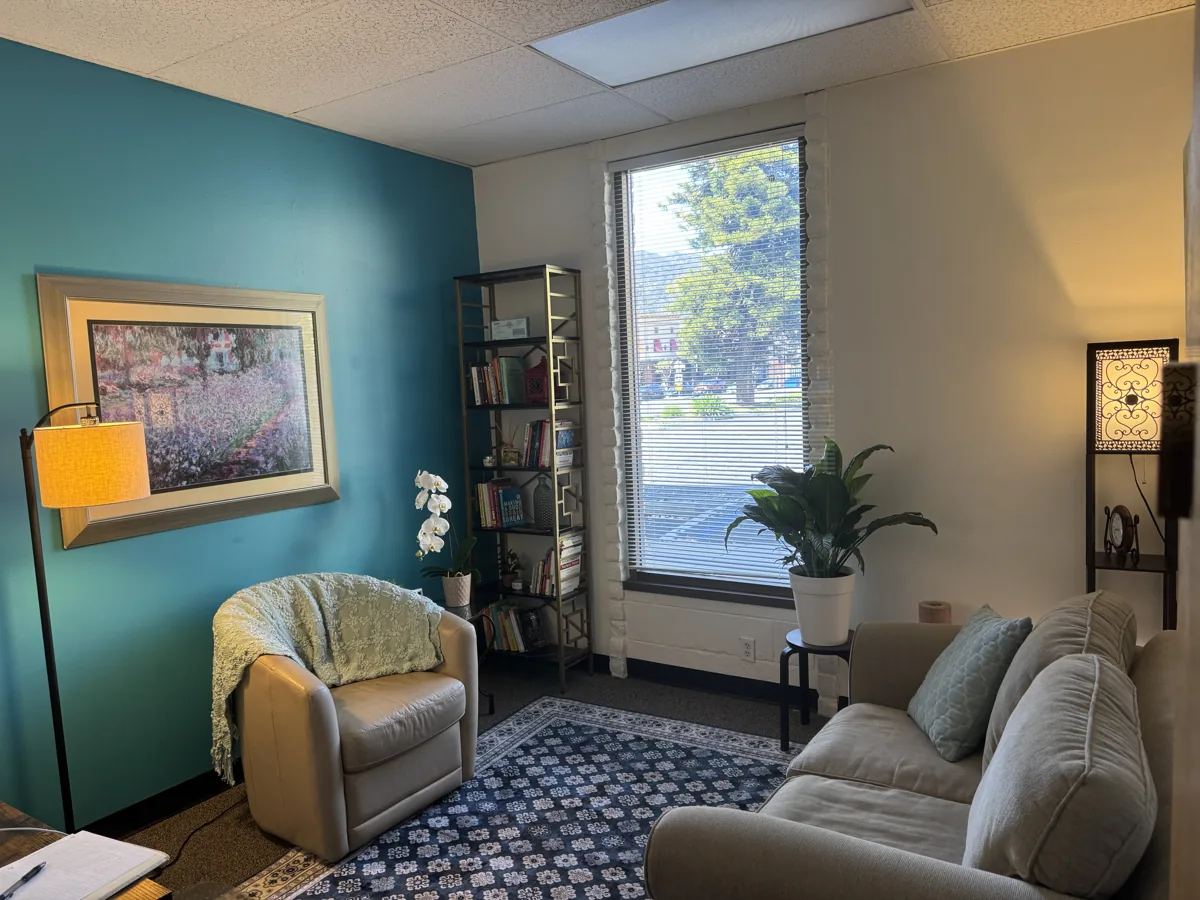
Kristin Cantella’s office with two armchairs, a window and a teal accent wall

Leave room for mixed feelings

You may love your family while feeling angry about something that happened, or understand an adult’s circumstances and still wish they had responded differently. We can acknowledge those feelings together without having one cancel out the other.

My work with childhood trauma and neglect leaves room for that complexity. We are not trying to settle on a single story about your family or asking you to take a particular position toward them.


A woman in a rust sweater seated in an armchair beside a bookshelf, looking toward the window

Connect the past carefully

If asking for support feels difficult now, earlier experiences may be part of it, but the expectations or limits of a current relationship may matter too. Together, we can look at both before deciding what seems relevant.

We might begin with a recent time you needed something but could not say it, and ask what you expected would happen if you did. Looking at that moment can make a possible connection clearer without claiming to explain your whole life.

A wooden bench overlooking a quiet valley

Bring uncertainty into the room

You are welcome to tell me you are unsure whether an experience matters, or that comparing your childhood with someone else’s makes it harder to talk. We can begin with that uncertainty rather than needing to settle it first.

I offer trauma-focused individual therapy in Montrose and by video for clients in California. You can ask about my approach during a free 15-minute consultation before deciding whether you want to move ahead with the intake process.

Golden light filtering through a bamboo garden

Questions People Ask

Do I need to use the word neglect?

No. You can describe what happened and what it meant to you without choosing that word.

Will therapy require confronting my family?

Discussing your history does not automatically commit you to a conversation with family. Questions about contact and boundaries belong in your individual work.

Make Room for Your Experience

Request a free 15-minute consultation to discuss whether this work fits what you need.

Request an Appointment Or call 626-824-8572