
Skip to content
An adult walking beneath eucalyptus trees on a wide shaded park path

Stillness is not a test to pass

If sitting quietly feels difficult, that experience can be part of the conversation.

Request an Appointment


A man in an oatmeal sweater sitting with his hands clasped, looking to the side

Describe what makes it difficult

You may feel restless, distracted, or more aware of thoughts you hoped would quiet down. You might even worry that you are doing mindfulness incorrectly, because the experience does not look like the calm image you have seen online.

Those reactions are worth describing in their own terms. Having difficulty with stillness does not mean you have failed at therapy, and it does not mean a particular explanation must apply.

A still garden pond with reeds in soft morning light

Ask what the word means in this practice

Mindfulness-based approaches are part of my work. Because the term can be used broadly, it is reasonable to ask what I mean by it and how it might relate to your concerns.

You do not need to commit to a routine before that discussion. Rather, an explanation should help you understand what is being considered and give you room to raise questions about fit.

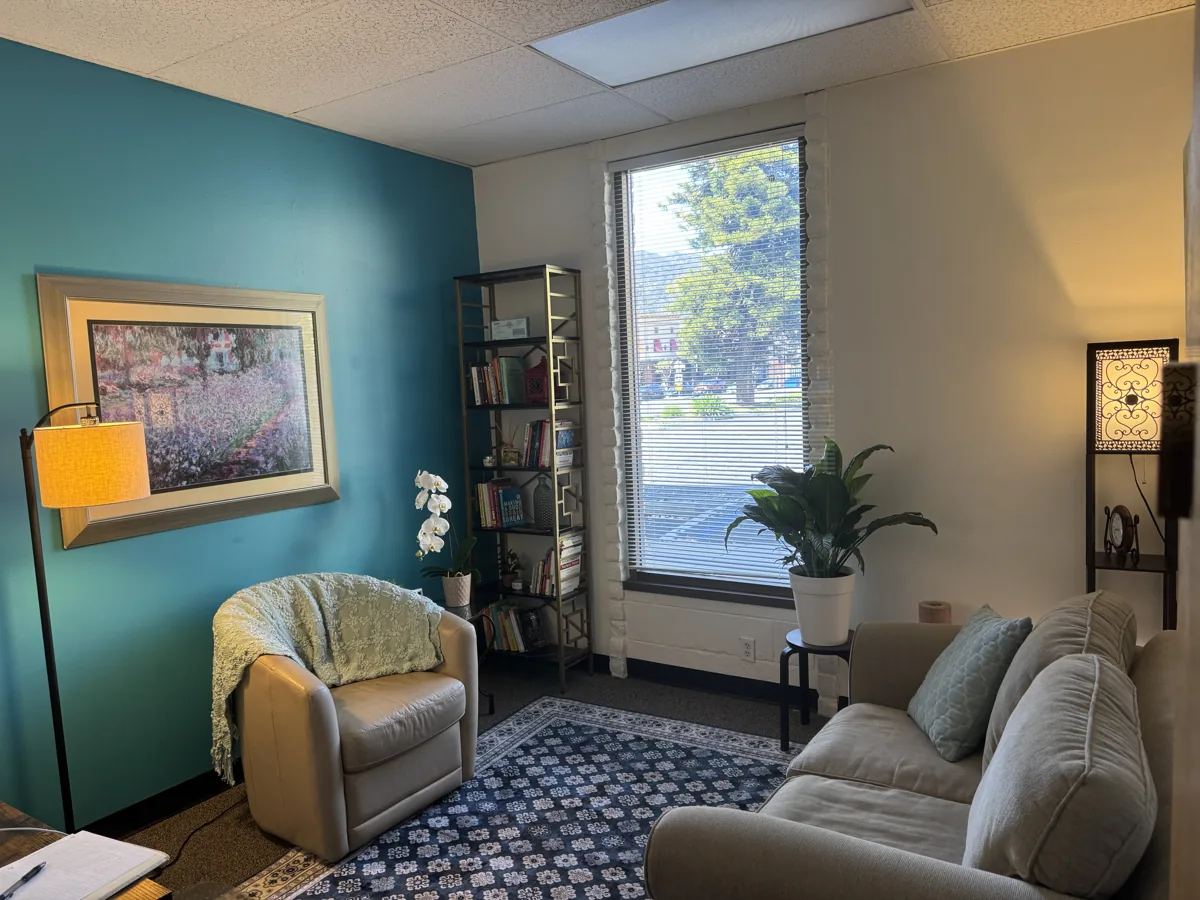
Kristin Cantella’s office with two armchairs, a window and a teal accent wall

Bring previous experiences with you

Perhaps a past exercise felt useful, boring, frustrating, or unsettling. Or perhaps you have never tried one and feel skeptical of the idea. These are different starting points, and each one can shape our conversation.

Tell me what happened, rather than trying to give the answer you think a therapist wants. Your response to an approach matters more than appearing willing or being good at an exercise.


A woman with short blonde hair sitting on a cream sofa, gazing out toward a garden

Keep the goal connected to your life

The goal of therapy is not to perform a practice perfectly for its own sake. Instead, we can discuss how an approach relates to the concerns you bring, whether that involves stress, self-criticism, or patterns in relationships.

If you cannot see the connection, please ask. If something feels unhelpful, that is information we can revisit together, and we can adjust the pace and form of the work to your circumstances.

Separate wooden doors opening onto a shared courtyard garden

Use the consultation to ask about fit

My practice is trauma-focused and also includes EMDR, Internal Family Systems and somatic approaches. In the first sessions, we discuss your history and goals and consider the work together.

I offer 50-minute sessions in Montrose and individual video sessions across California. A free 15-minute consultation can include questions about my approach and any concerns you have about it. You can begin with skepticism or uncertainty, and neither requires a polished explanation before you ask.

Golden light filtering through a bamboo garden

Questions People Ask

Do I have to meditate to work with you?

Ask about the approach during the consultation. We can discuss what the work may involve and your concerns rather than assume a particular exercise in advance.

Is restlessness a sign that something is wrong with me?

Restlessness alone does not establish a diagnosis or explanation. Its context and effect on your life matter.

Ask What the Practice Would Mean for You

Request a free 15-minute consultation to discuss whether this work fits what you need.

Request an Appointment Or call 626-824-8572