
Skip to content
A rolled linen mat and folded sage blanket in a bright room

You know what others want. And you?

After years of adjusting to other people, a simple preference can be surprisingly hard to find.

Request an Appointment


A woman in a cream sweater sitting in a wooden armchair, holding a mug and looking toward a sunny window

The question leaves you blank

Someone asks where you want to eat or what you need from the weekend. You can quickly name what would work for everyone else, yet your own answer feels less clear, and you may say anything is fine before checking whether it is.

This can happen in small decisions as well as in larger questions about relationships or direction. Rather than asking for a complete account of who you are, we can begin with an ordinary example.

Two garden paths joining beneath olive trees

Notice how the answer gets replaced

Perhaps a preference shows up briefly before you imagine someone's disappointment. Perhaps you automatically scan for the easiest option. Or perhaps you honestly do not know what you want yet.

These are different experiences. Slowing down a recent decision can help us see whether a need was hard to recognize, hard to value, or hard to communicate.

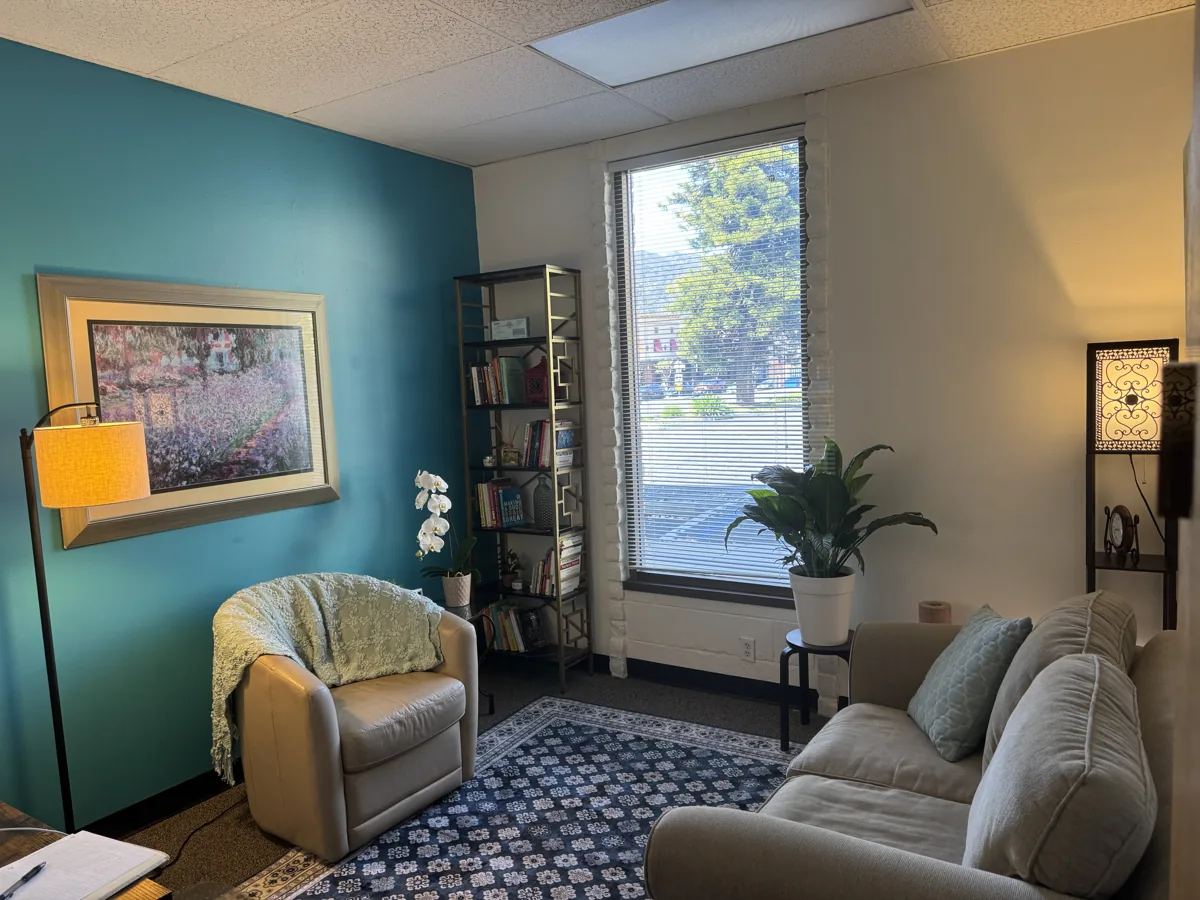
Kristin Cantella’s office with two armchairs, a window and a teal accent wall

Consider what adaptation has meant

Being attentive to others may be a quality you care about. It may also have been important in earlier relationships to stay flexible, avoid conflict, or ask for very little. Understanding that context does not mean dismissing the ways you learned to get along.

My trauma-focused work explores the connections between earlier experiences and current patterns. Together, we can do that without assuming that every act of consideration is a problem.


A woman in a sage cardigan writing in a notebook on a shaded garden patio

Let uncertainty be an actual answer

Not knowing right away is different from having no needs. You may need time to notice what is tiring, what feels meaningful, or what you wish were different, and those observations often give us more to discuss than a forced answer.

In therapy, we make room for preferences that change as you understand them better. You do not have to defend every feeling as a permanent position.

An open wooden gate leading toward a garden and golden hills

Bring one moment when you disappeared from the decision

A recent plan, request, or disagreement may show how your own response became hard to find. Together, we can explore what you noticed and what you hoped would happen.

Individual sessions are 50 minutes, offered in Montrose or by video for clients in California. A free consultation is available to discuss fit and the first steps. You can start simply by saying that your own needs are difficult to name, because that is a meaningful concern in itself.

Golden light filtering through a bamboo garden

Questions People Ask

Does this mean I am people pleasing?

You can use that phrase if it fits, but a label is not required. Your specific experience matters more than choosing the right term.

What if my preference inconveniences someone?

That may be part of the discussion. Recognizing a need and deciding how to act on it are related but separate questions.

Make Room for Your Answer

Request a free 15-minute consultation to discuss whether this work fits what you need.

Request an Appointment Or call 626-824-8572